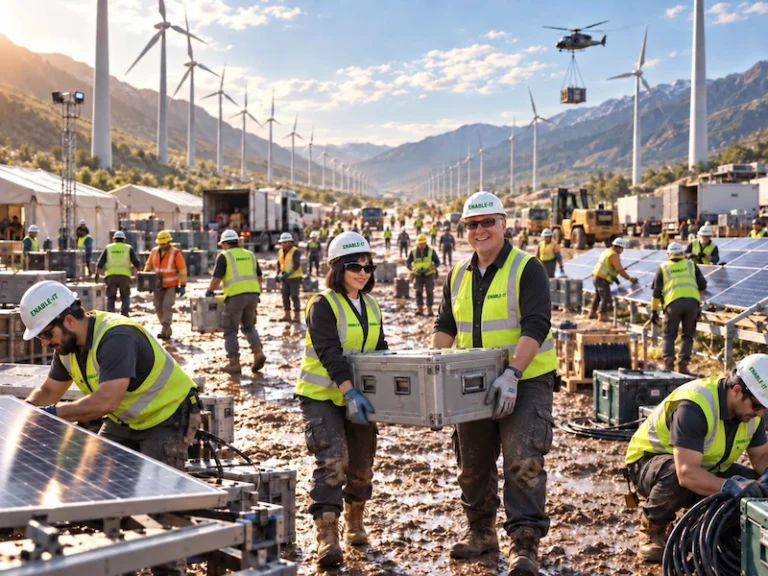
Disasters, both natural and man-made, can cripple infrastructure, leaving communities without power, communication, and essential services. Reliable energy solutions are critical for both short-term emergency response and long-term disaster resilience. This article explores various energy production methods – solar, water, and heat – within the context of global disaster communications and PoE (Power over Ethernet) applications, providing an in-depth analysis of their advantages, challenges, and practical implementations.
Long-Term Solutions
Reliable Energy for Disaster Resilience
Long-term energy solutions focus on sustainability and infrastructure hardening. These systems provide continuous, renewable energy sources that can power entire communities, emergency response centers, and critical facilities such as hospitals and water treatment plants.
Solar Power
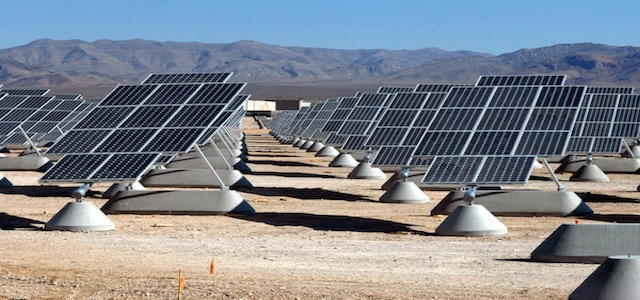
Large-scale photovoltaic (PV) solar farms are a primary solution for long-term disaster resilience. By harnessing the sun’s energy, communities can power hospitals, emergency centers, and water treatment facilities without reliance on a fragile grid.
Pros:
- Renewable and abundant energy source.
- Scalable from individual homes to large community solar farms.
- Can be integrated with battery storage for energy resilience.
- Works well with PoE-based infrastructure to power networking equipment, security cameras, and emergency lighting.
Cons:
- Initial setup costs can be high.
- Dependent on sunlight, requiring backup storage solutions.
- Vulnerable to extreme weather events such as hurricanes and sandstorms.
Key Implementations:
- Large-Scale Photovoltaic Farms: These can support emergency operations centers and provide power to disaster-affected regions.
- Microgrid Systems: Utilizing Ethernet-based control systems for efficient energy distribution.
- PoE-Powered LED Lighting Systems: Enhancing security and operational efficiency in post-disaster scenarios.
Water-Based Energy
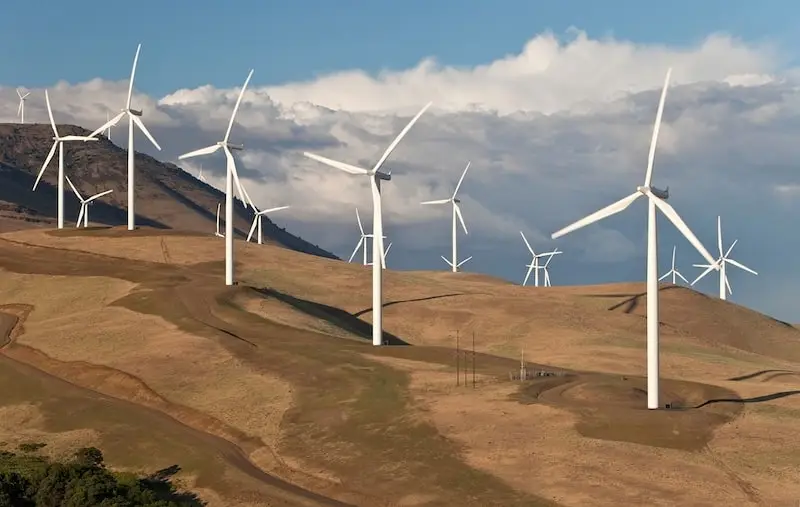
Disaster-prone areas near rivers, streams, or coastal regions can benefit from small hydroelectric generators and tidal energy systems. These provide stable, continuous power without dependence on external fuel sources.
Pros:
- Can provide continuous power if water flow is stable.
- Works well in remote or mountainous regions with access to rivers or streams.
- Less variable than solar power.
Cons:
- Requires significant infrastructure investment.
- Limited by geography and hydrological conditions.
- Can be impacted by droughts or seasonal water shortages.
Key Implementations:
- Micro Hydroelectric Plants: Supporting local grids and emergency services.
- Tidal and Wave Energy Systems: Potentially useful for coastal disaster-prone regions.
- Ethernet-Connected Water Monitoring Systems: Enabling real-time hydrological monitoring and remote control of turbines.
Geothermal Energy
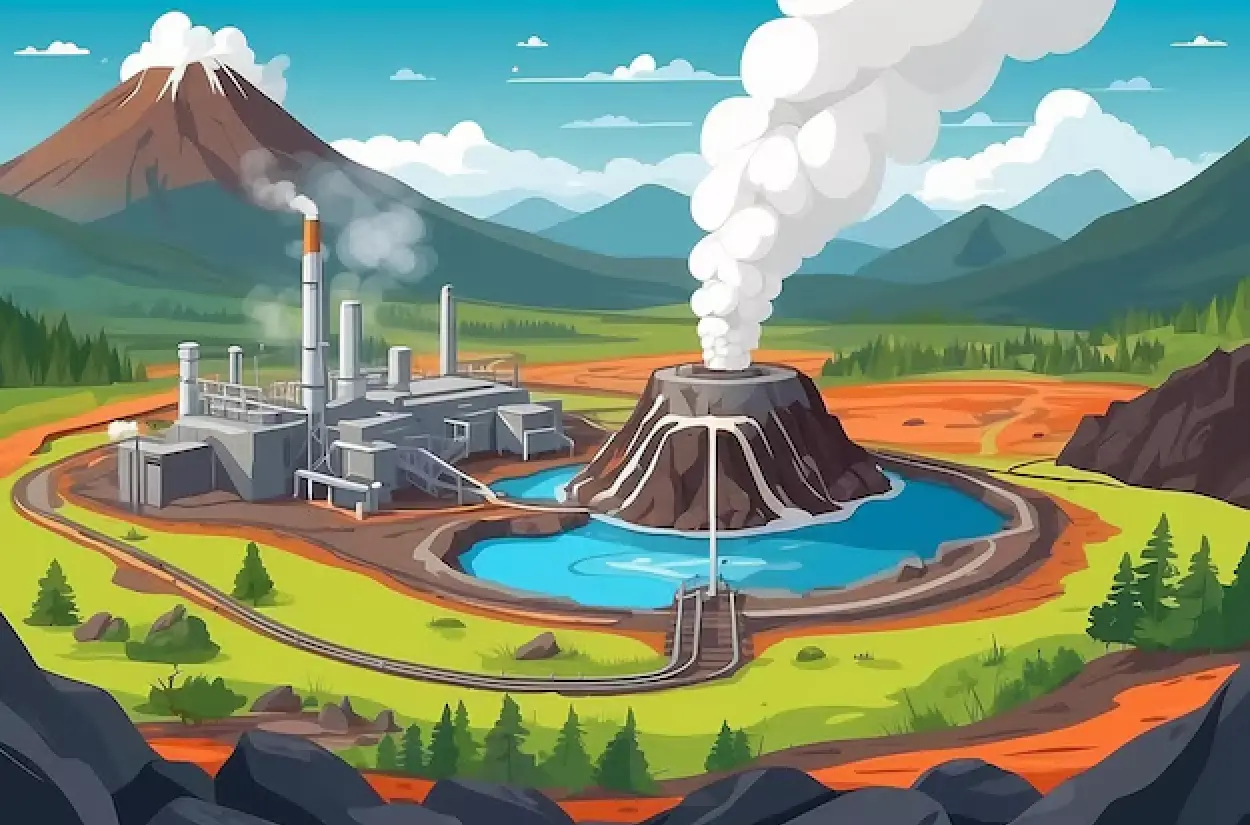
Geothermal systems harness heat from beneath the Earth’s surface to generate electricity or provide direct heating. Biomass energy utilizes organic waste (wood, crop residues, or biogas) for power.
Pros:
- Provides a stable, 24/7 energy source.
- Low operational costs after initial investment.
- Less impacted by weather conditions compared to solar and hydro.
Cons:
- High upfront installation costs.
- Limited to areas with geothermal activity.
- Requires drilling, which may not be feasible in disaster-prone regions.
Key Implementations:
- Community-Based Geothermal Systems: Providing steady electricity and heating for emergency shelters.
- PoE-Based Monitoring Equipment: Ensuring system stability and remote diagnostics.
- Ethernet-based heat distribution controls improve efficiency.
- PoE lighting and heating systems reduce infrastructure strain in remote geothermal-powered facilities.
Short-Term Solutions
Immediate Disaster Response Energy Solutions
Short-term energy production focuses on rapid deployment, mobility, and adaptability to crisis conditions. These solutions support emergency responders, medical facilities, and communication infrastructure.
Portable Solar Panels & Battery Storage
Compact solar panels and battery storage units provide on-the-go energy for emergency responders and survivors. These can power lights, medical devices, and communication systems.
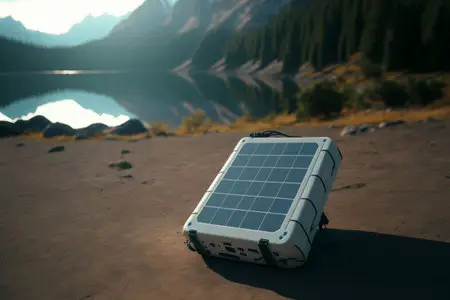
Pros:
- Easy to deploy and transport.
- Provides an immediate power source in remote areas.
- Works well with PoE-powered emergency communication networks.
Cons:
- Limited power generation capacity.
- Ineffective during nighttime or cloudy weather.
Key Implementations:
- Solar Backpacks for First Responders: Allowing emergency teams to charge devices.
- PoE-Powered Emergency Lighting and Communication Hubs: Enabling coordination in disaster zones.
- Portable Ethernet networking kits provide communication infrastructure in blackout areas.
- Solar-powered PoE security cameras help protect relief zones.
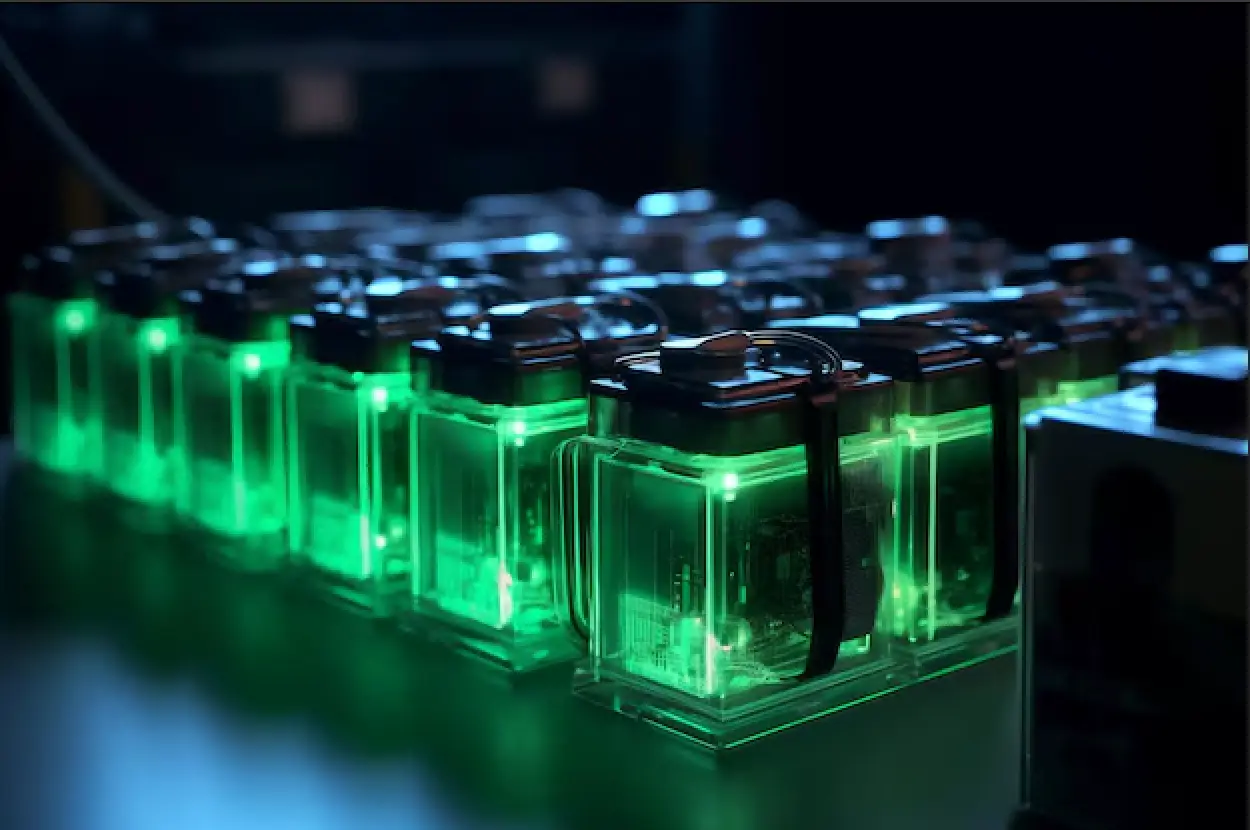
Battery Packs & Energy Storage
Pros:
- Stores energy for use when renewable sources are unavailable.
- Can power critical systems such as medical devices and communications.
- Works well with Ethernet-based smart power distribution systems.
Cons:
- Finite capacity and recharge limitations.
- Batteries degrade over time and require replacements.
Key Implementations:
- DC-Powered Battery Banks for Medical Tents: Ensuring uninterrupted power for life-saving equipment.
- PoE-Based Smart Grid Management: Optimizing power distribution for emergency response teams.
Biomass & Heat Generators
In some regions, small biomass burners and heat generators provide temporary cooking, heating, and limited power. These can burn wood, crop waste, or even animal dung to produce energy.
Pros:
- Can be used for cooking, heating, and sterilization.
- Biomass stoves and fuel-based generators provide immediate energy.
- Effective in cold climates where solar and hydro may be unreliable.
Cons:
- Requires fuel, which may be scarce during a disaster.
- Can produce emissions and require ventilation.
Key Implementations:
- Biomass Cookstoves for Refugee Camps: Providing safe and efficient heating.
- PoE-Powered Sensors for Fuel Monitoring: Ensuring optimal fuel usage and reducing waste.
The Role of Ethernet and PoE in Disaster Energy Solutions
In disaster scenarios, reliable power and connectivity are just as critical as food, water, and medical aid. Survivors and first responders rely on stable communication networks to coordinate efforts, while energy solutions must be efficient, scalable, and easy to deploy. This is where Power over Ethernet (PoE) and Ethernet-based systems play a pivotal role in both long-term infrastructure resilience and short-term emergency response.
Ethernet and PoE technology play a crucial role in both long-term and short-term disaster energy solutions by:
- Enabling Smart Power Grids: Remote monitoring and automated load balancing improve energy efficiency.
- Powering Emergency Communication Networks: Supporting VoIP, surveillance, and internet access in disaster zones.
- Enhancing Disaster-Resilient Lighting Solutions: PoE-powered LED systems improve visibility in emergency shelters and relief sites.
- Supporting Remote Monitoring of Renewable Energy Systems: Ethernet-based IoT sensors provide real-time performance tracking and diagnostics.
In disaster scenarios, PoE and Ethernet provide a critical link between energy production, communication, and emergency response. By integrating PoE-powered microgrids, renewable energy sources, and efficient lighting/security systems, we can create more resilient communities that withstand disasters and recover more quickly.
As governments and aid organizations invest in disaster preparedness, PoE and Ethernet-based technologies will remain essential for powering and connecting lifesaving infrastructure worldwide.

Interesting Facts
- A 100-watt solar panel can generate enough energy to power a laptop and LED lights simultaneously.
- Hydroelectric power accounts for 16% of global electricity but remains underutilized in many disaster recovery scenarios.
- PoE technology can power devices up to 100 meters away without additional electrical wiring, making it ideal for rapid deployment.
- Geothermal plants produce nearly zero emissions, making them one of the cleanest energy sources available.

Final Thoughts and Conclusion
The integration of energy production with disaster resilience strategies is essential for ensuring continuous operation of critical infrastructure during crises. Long-term solutions such as solar farms, hydroelectric microgrids, and geothermal systems provide sustainable energy sources that support communities before, during, and after disasters. Meanwhile, short-term solutions like portable solar panels, battery storage, and heat generators address immediate power needs for emergency responders and affected populations.
PoE and Ethernet technologies significantly enhance these energy solutions by providing smart monitoring, efficient power distribution, and seamless communication in disaster zones. As climate change increases the frequency and intensity of disasters, the adoption of reliable energy production and networking solutions will be vital for global disaster preparedness and recovery efforts.
By investing in robust energy infrastructures and leveraging PoE-based innovations, communities can enhance their resilience, minimize disruptions, and ensure rapid recovery when disasters strike.

Extend any Ethernet Cable Beyond the Limits with Enable-IT Solutions !
The benefit of buying an Ethernet Extender from Enable-IT because our equipment leverages high throughput telecom signals over any wire – including coax, barbed wire fence, etc. Enabling distances unheard of in the industry. There are Ethernet Extender Solutions available that can extend this distance limit out to 9,000 feet or 2,743 m.
The industry uses are endless – as everyone has a need for extended Ethernet many times in their lifetime and sooner than later the need will arise and we are ready when you are to help select a solution.
Diverse Industry customers include the US, UK and Canadian Military; NASA; Aerospace manufacturers; Nautical Infrastructure (Marinas, Mega Yachts, Cruise Ships,Port facilities, US Nuke sub fleet, etc); Video Surveillance and Security Specialists; Advanced Telecommunications companies; Extreme Mining Operators; Global Construction Enterprises; Commercial Agriculture companies; major Healthcare providers; Live Entertainment, Broadcasting, and News agencies; Extreme Retail/POS organizations; Long-Distance Education Companies; International Hospitality Companies; Elevator manufacturers, Digital Signage and much more.